Materials Research

Mycomaterials Gallery

Mycelium-bound composite panels, acoustic tiles, and natural dye experiments — growing materials from agricultural waste streams.

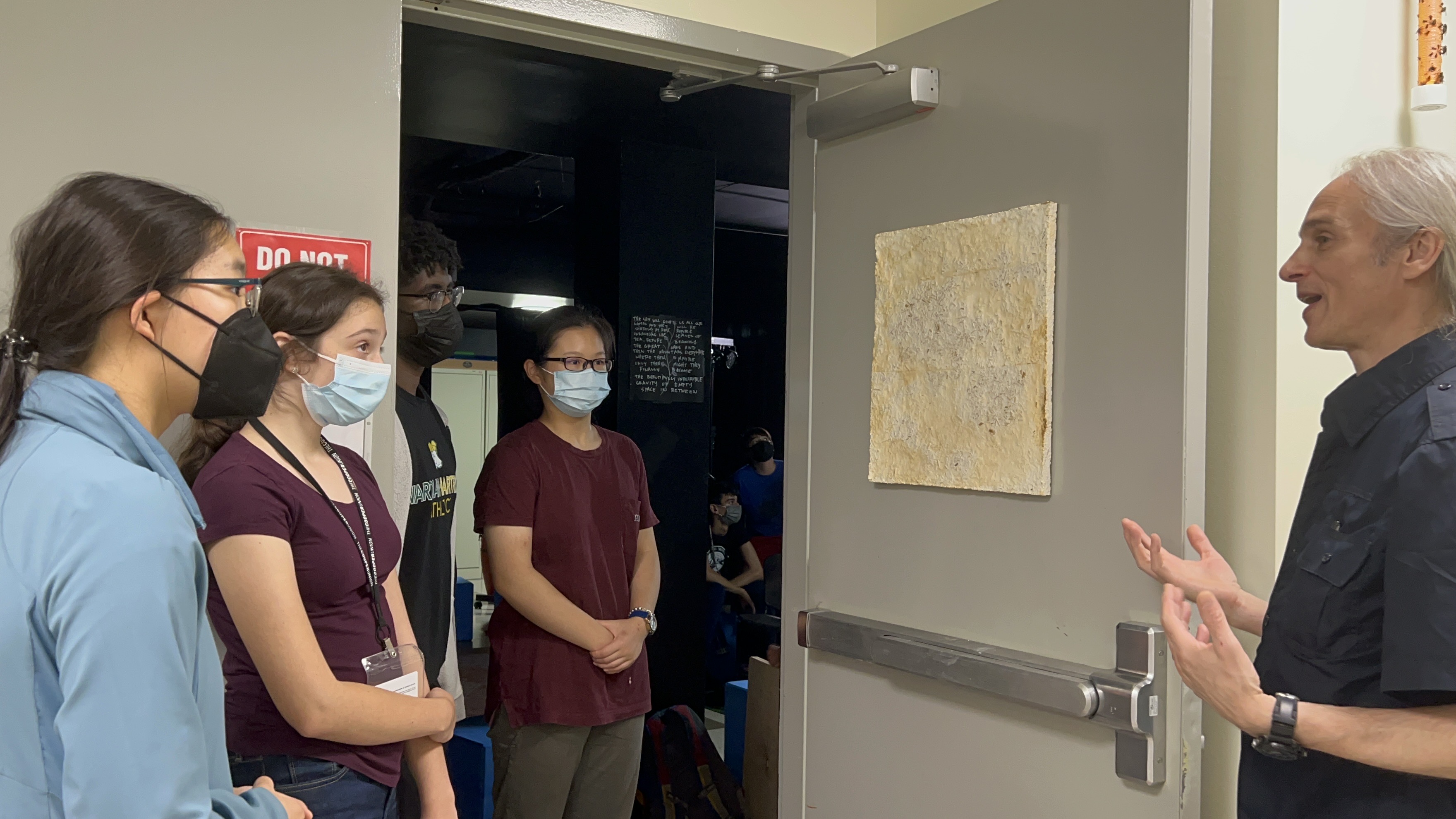
Magnetic mycomaterial acoustic panel

Magnetic Panel

A magnetic mycomaterial acoustic panel installed at the Loisaida Community Center's blackbox theater, 2022.

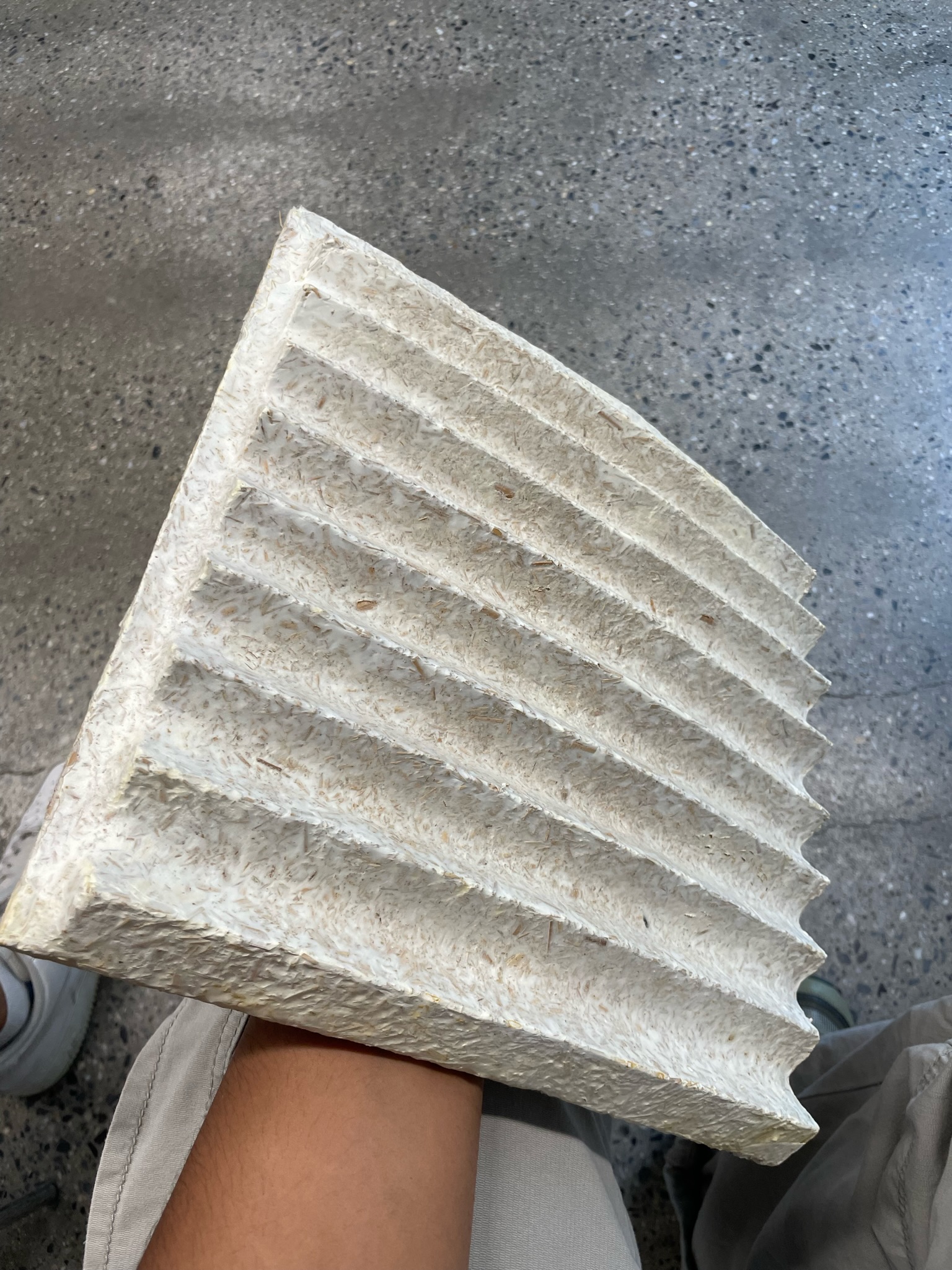
Drop-tile mycomaterial ceiling panel

Ceiling Panel

A drop-tile mycomaterial acoustic ceiling panel replacement.

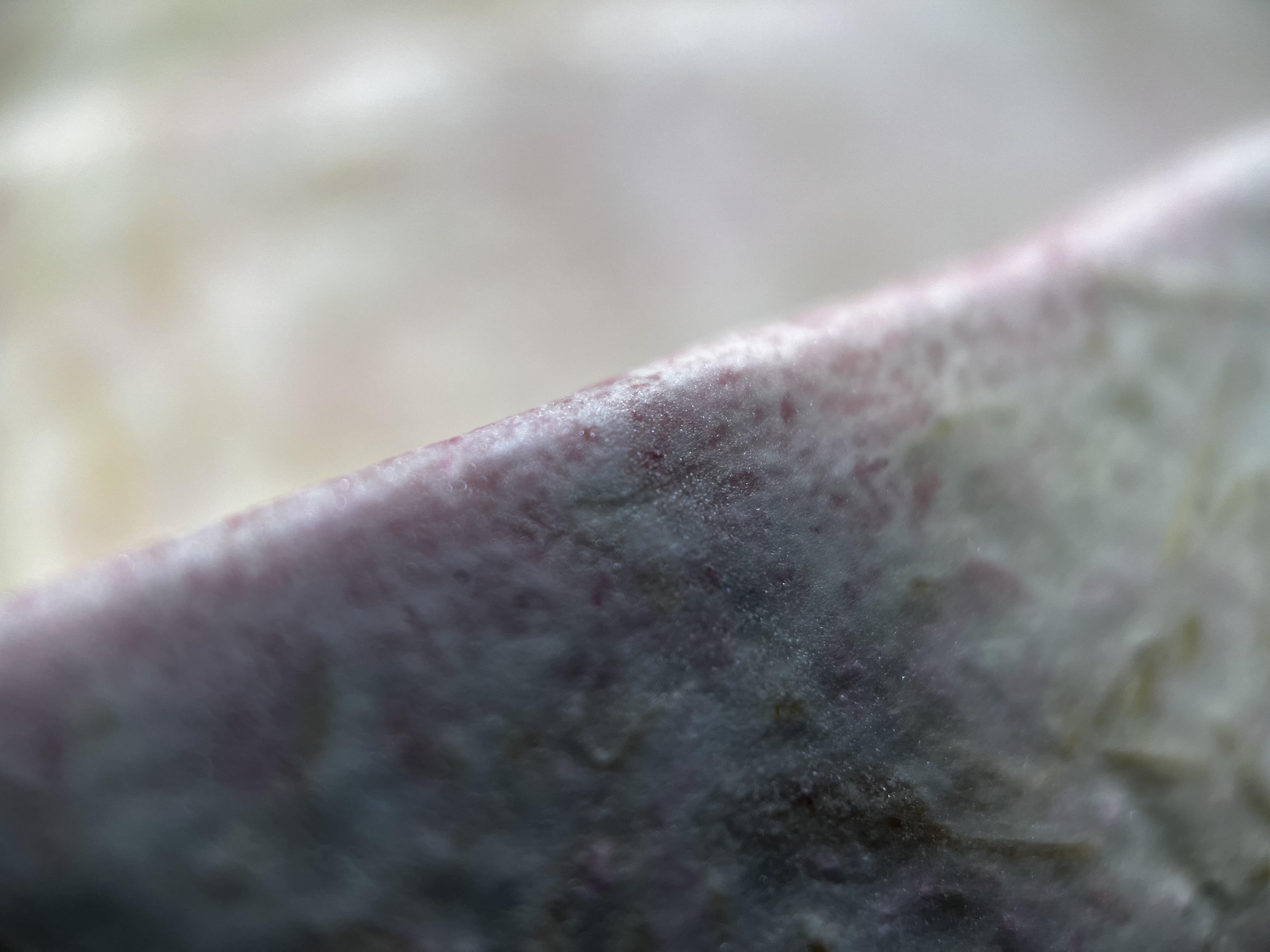
Purple yam powder dye close up

Purple Yam Dye

Close up of Purple Yam Powder as natural dye for mycomaterials, 2022.

Properties

Why Mycomaterials

Biodegradable
Fully biodegradable in under 90 days — at home, not in a commercial composting facility.
Low Embodied Carbon
Grown, not manufactured. Low embodied carbon, and can be desiccated without added energy input.
Water Resistant
Mycomaterials create semi-waterproof surface layers through the hyphal structure of the mycelium skin.
Fire Resistant
Excellent fire resistance properties, making them suitable for a wide variety of applications.

Photo credits: Brandon Bunt