What is biochar?
Biochar is charcoal produced by heating organic material — wood chips, husks, straw, manure — in a low-oxygen environment. The absence of oxygen prevents combustion and instead drives pyrolysis: thermal decomposition that locks carbon into a stable, porous structure that can persist in soil for centuries.
Unlike burning, pyrolysis captures most of the carbon that would otherwise return to the atmosphere as CO₂. The char that remains improves water retention, cation exchange capacity, and microbial habitat when applied to soil.
Why small-scale? Industrial biochar kilns require capital, logistics, and scale that most farms and communities cannot access. Small reactors can be built from steel pipe and repurposed hardware, operated on available biomass waste, and managed by one or two people — making the practice accessible where it is most needed.
Pyrolysis Process
The reactor runs a continuous-feed or batch pyrolysis cycle. Biomass enters the chamber, temperature climbs past 300°C, volatile gases are driven off, and stable char remains. Syn-gas produced during pyrolysis can be recirculated to sustain the reaction with little or no external fuel input.
Safety note: Syn-gas contains CO and flammable hydrocarbons. Operate reactors in well-ventilated outdoor conditions only. Never seal the exhaust without a pressure relief path. Monitor with a pressure gauge during the full run.
Size biomass to <5 cm. Reduce moisture below 20% for efficient burn.
Chamber reaches 300–600°C in low-oxygen atmosphere. Organics decompose to char + volatiles.
Syn-gas passes through tar trap, then recirculated as fuel or vented via exhaust.
Quench with water or soil to stop oxidation. Inoculate and apply, or store sealed.
Reactor V1 — Design & Components
The V1 prototype was built from standard steel pipe, fittings, and salvaged hardware. The rig is designed to be replicable without CNC or specialist tooling.
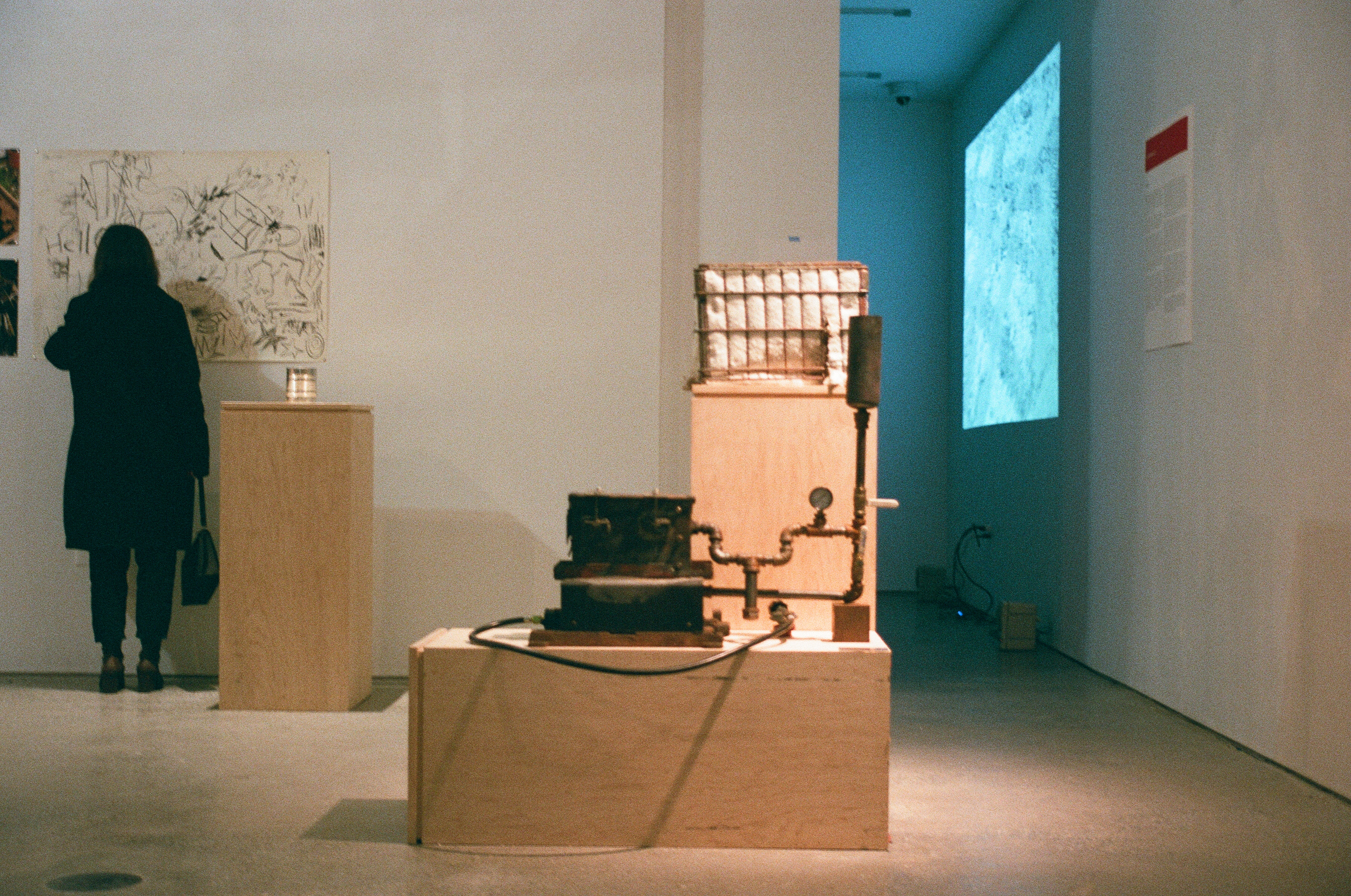
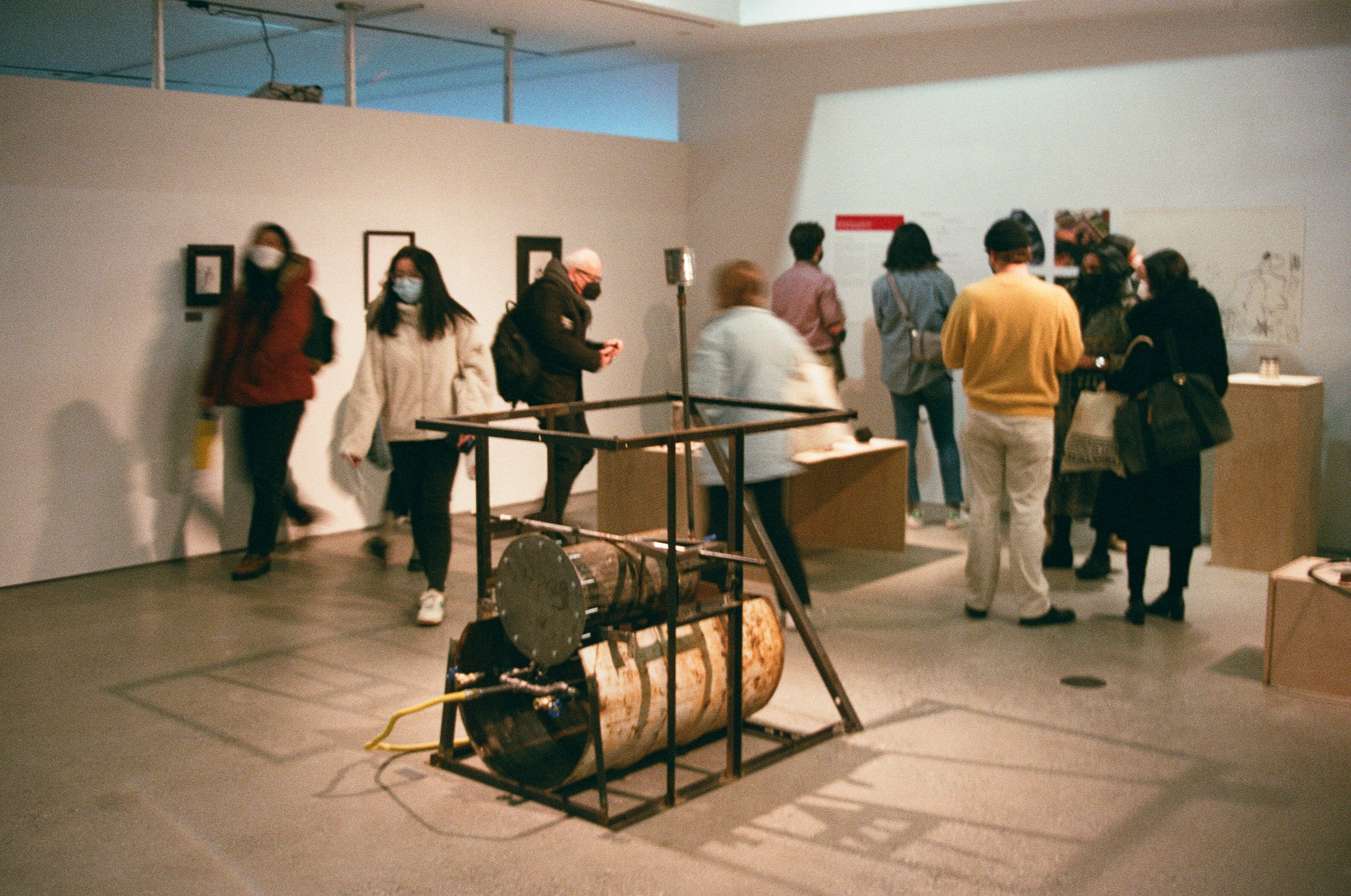
Sealed steel vessel where biomass undergoes thermal decomposition under restricted oxygen.
Delivers initial combustion fuel to bring the chamber to pyrolysis temperature.
Wraps the chamber to maintain temperature and reduce thermal losses during the run.
Monitors internal pressure buildup. Critical safety instrument — never run without it.
Condenses heavy tars and liquids from the syn-gas stream before recirculation or exhaust.
Controls gas flow between the chamber, tar trap, recirculation loop, and exhaust path.
Returns cleaned syn-gas to the burner, sustaining pyrolysis without additional fuel input.
Vents remaining combustion gases away from the operator. Keep clear and unobstructed.
Feed Materials
Almost any dry lignocellulosic biomass can be converted. Moisture content and particle size are the main constraints — wetter or larger feed requires longer residence time and more input energy.
High carbon content, consistent density, low ash. Best char yield.
Abundant agricultural waste. High silica content increases mineral surface area in the char.
Widely available, burns cleanly. Shred or chip to <5 cm before loading.
Works but requires pre-drying. Moisture above 30% stalls pyrolysis and reduces char yield.
Fast-growing, good char quality. Split culms first to prevent steam pressure buildup.
Higher nutrient content in char. Dry thoroughly before use — wet manure produces excess smoke.
Output & Specifications
Char quality depends on feedstock type, peak temperature, and residence time. Higher temperatures (500–600°C) produce more stable, aromatic carbon structures with greater longevity in soil. Lower temperatures retain more volatile content and nutrients.
Inoculation matters: Raw char is hydrophobic and can temporarily reduce soil water availability if applied directly. Soak in compost tea, liquid fertiliser, or manure slurry for 24–48 hours before application to pre-charge the pore structure with biology and nutrients.
| Parameter | V1 Reactor | Notes |
|---|---|---|
| Peak temperature | 300–600°C | Higher end produces more stable char structure |
| Char yield | 20–35% by mass | Varies by feedstock moisture and type |
| Carbon stability | >100 years | Aromatic carbon resists microbial decomposition |
| pH (char) | 7–10 | Alkalinity benefits acidic soils; test before heavy application |
| Application rate | 0.5–5 t/ha | Start low; inoculate with compost tea before applying |
| Syn-gas output | CO, H₂, CH₄ | Recirculation reduces net fuel demand by 40–60% |
| Batch cycle time | 2–4 hours | Includes heat-up, hold, and quench phases |
| Build cost (est.) | $300–800 USD | Depends on local material costs and salvaged hardware |
Build Your Own
The V1 design uses off-the-shelf steel pipe fittings available at most hardware suppliers. No welding certification is required for the basic build, though welded joints significantly improve longevity and safety over threaded connections under thermal cycling.
Materials list (V1 core): Schedule 40 steel pipe (6″ diameter, ~60 cm), reducing couplings, gate valve, pressure relief valve, pressure gauge (0–15 psi), weld-on end cap, steel wool or ceramic insulation wrap, stainless hose barbs for tar trap inlet/outlet, 5-gallon steel bucket with lid (tar trap body).
Documentation & community: Design files, build notes, and iteration history are maintained as part of the Kiau Technologies open-hardware project. Reach out via the contact page to access the latest files or discuss adaptations for your local context.
Interested in building a reactor, sourcing char for your soil programme, or contributing to the next version? Get in touch →